
How Often Should You Schedule Professional Dog Grooming Services?
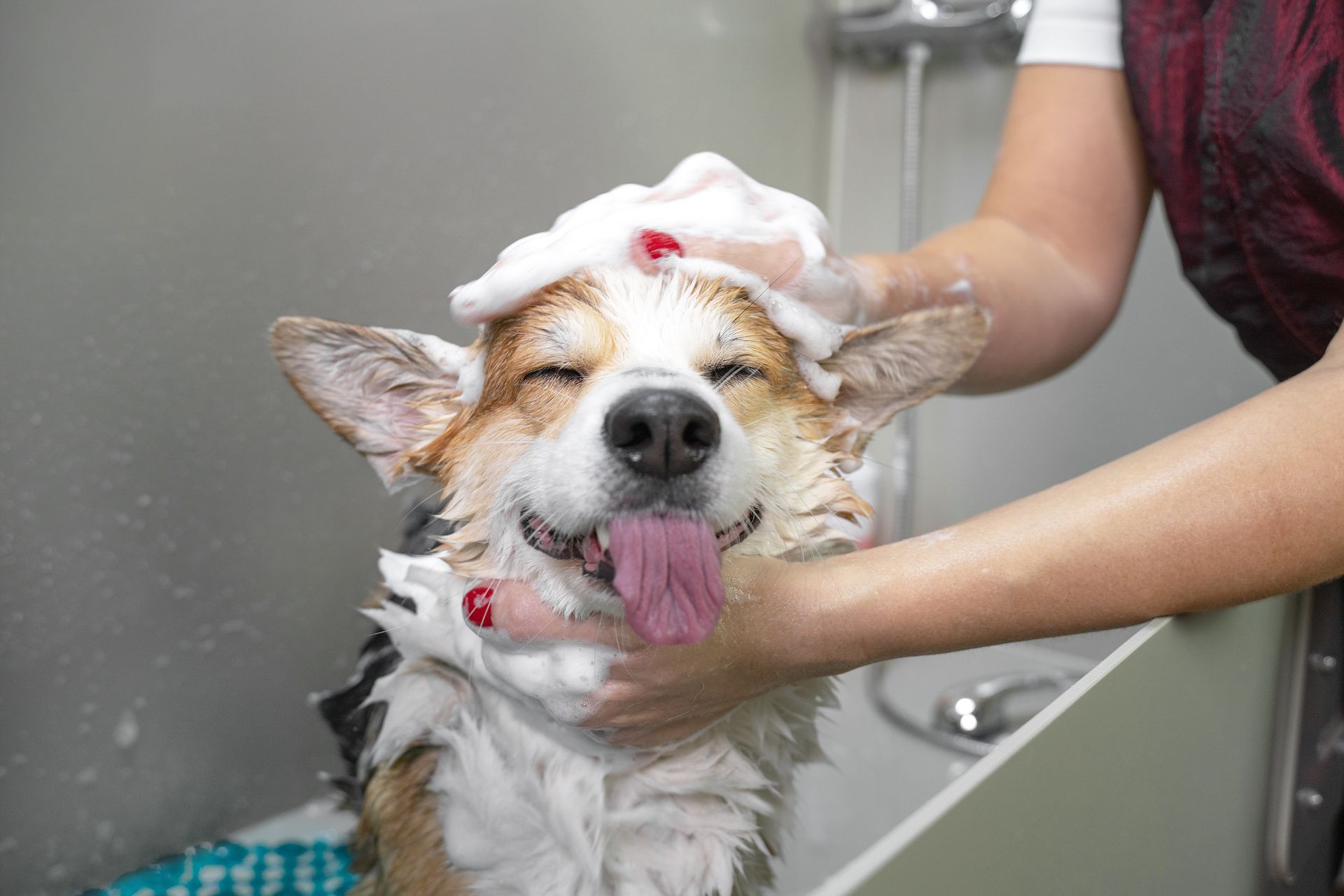
Professional dog grooming services are one of the most important parts of keeping your dog healthy and comfortable. Many dog owners in Lancaster, PA, wonder how often they should book an appointment. The honest answer is that there is no single schedule that works for every dog. The right frequency depends on several factors, including your dog's breed, coat type, activity level, and even the season.
Why Grooming Frequency Matters for Your Dog's Health
Regular dog grooming services do more than keep your dog looking clean. Regular grooming can help reduce shedding, prevent matting, and maintain skin health. When a dog goes too long between appointments, mats can form close to the skin. These mats can pull on the skin, cause irritation, and even hide underlying issues. A professional groomer may also check your dog's coat and skin for any visible concerns, which means visits can catch small problems before they grow into bigger ones.
Ear health is another area where routine appointments make a real difference. Gentle ear cleaning can help prevent infections and maintain ear health. Skipping grooming visits for too long may allow moisture and debris to build up inside the ear canal.
Nail length is easy to overlook at home, but overgrown nails can affect how your dog walks. Regular nail trims help keep nails at a comfortable length. Long nails can press back against the toe, causing discomfort or even pain over time.
The General Rule for Scheduling Dog Grooming Services
A commonly referenced starting point for most dogs is every four to eight weeks. Scheduling dog grooming every four to eight weeks is a reasonable baseline, depending on your dog's breed and coat type, with long-haired and curly-coated dogs often needing more frequent visits.
This range gives owners a helpful framework. However, your dog's specific coat and lifestyle may push that timeline shorter or longer. A groomer who knows your dog can often suggest a more tailored schedule after the first appointment.
Short-Haired and Smooth-Coated Breeds
Dogs with short, smooth coats typically require less frequent professional grooming than their longer-haired counterparts. Breeds with this coat type may do well with appointments every eight to twelve weeks. Between visits, a simple brush-out at home can help manage loose fur and keep the coat shiny.
Even short-haired dogs benefit from nail trims, ear cleanings, and dog grooming services on a regular schedule. These tasks can be easy to skip at home, which is why a professional appointment every couple of months still offers meaningful health value.
Long-Haired and Double-Coated Breeds
Dogs with longer or thicker coats often need professional attention more frequently. Without regular grooming, these coats can become tangled and matted quickly. Depending on the coat texture, some of these dogs may need an appointment every four to six weeks.
Thorough bathing with a de-shedding treatment can help remove loose fur and reduce overall shedding for double-coated breeds. This is especially helpful during heavy shedding seasons, which we will cover further below.
How Activity Level Affects Your Dog's Grooming Schedule
A dog's lifestyle can play a role in how quickly the coat needs attention. Dogs that spend a lot of time outdoors, whether hiking, running, or exploring fields and trails, tend to pick up more dirt, debris, and moisture in their coats. This can lead to faster mat formation and more frequent bathing needs.
Lancaster County has plenty of parks and outdoor spaces, and many local dogs spend time in grassy or wooded environments. Dogs that play outside regularly may benefit from more frequent appointments, or at least more frequent at-home brushing between professional visits.
Dogs that stay mostly indoors and have lower activity levels may be able to stretch their grooming schedule a bit longer. That said, nail trimming and ear care should still be kept on a consistent schedule regardless of activity level.
Seasonal Changes and Dog Grooming Services in Lancaster, PA
The seasons in Lancaster, PA, can influence how often your dog needs professional attention. Routine grooming helps prevent mats, reduces shedding, and keeps your pet's coat healthy and shiny, and these benefits become especially noticeable during seasonal coat transitions.
Spring is often the heaviest shedding period for double-coated breeds. Dogs blow their winter coats as temperatures rise, and a professional de-shedding appointment during this time can make a noticeable difference in managing loose fur around the home. A grooming appointment in early spring may be one of the most valuable of the year for high-shedding breeds.
Summer heat can also factor into scheduling decisions. Some owners choose to have their dog's coat trimmed shorter during warm months for added comfort. It is worth discussing this with your groomer, as some coats should not be shaved regardless of the temperature.
Fall grooming helps transition the coat as temperatures drop. And in winter, dogs that play in snow and mud often need more frequent bathing to manage the buildup of dirt and moisture on the coat and paws.
Puppies and Senior Dogs May Need a Different Approach
Starting Grooming Early with Puppies
Puppies benefit from being introduced to dog grooming services early in life. Early exposure can help a dog become comfortable with the sounds, handling, and environment of a professional grooming session. Dogs that learn to accept grooming as puppies often find the process much less stressful as adults.
A groomer experienced with anxious or sensitive dogs can make these early visits a positive experience. A gentle, patient approach helps make grooming easier for anxious, older, or sensitive dogs who may need extra reassurance.
Grooming Considerations for Older Dogs
Senior dogs may need extra care and attention during grooming sessions. Older dogs can have more sensitive skin, joint discomfort, or difficulty standing for long periods. A groomer who works at a calm and unhurried pace can help older dogs stay comfortable throughout the process.
For senior dogs, the frequency of appointments may remain similar to their adult schedule. What may change is the handling approach and the overall pacing of the session to accommodate their needs.
Between Appointments: What You Can Do at Home
Professional appointments are important, but what happens between visits also matters. Brushing your dog at home on a regular basis, especially for longer-coated breeds, can extend the time between dog grooming service appointments and keep the coat in better condition.
The right brush type depends on your dog's coat. Using the wrong tool can be ineffective or uncomfortable for your dog. Your groomer can suggest which brush works best for your dog's specific coat texture.
Checking your dog's ears for odor or redness between appointments is also a good habit. Light cleaning of the outer ear can help reduce the chance of buildup, though it is best to leave deeper ear cleaning to a professional.
How to Build the Right Schedule for Your Dog
Every dog is different. The best grooming schedule is one that accounts for breed, coat type, activity level, seasonal changes, and your dog's individual health needs. A professional groomer can help you build a routine that makes sense for your specific dog.
A trusted local groomer offering dog grooming services can help create a schedule that fits your dog's needs and lifestyle. Starting with a consultation or a first appointment is often the best way to get a personalized recommendation rather than guessing at a timeline on your own.
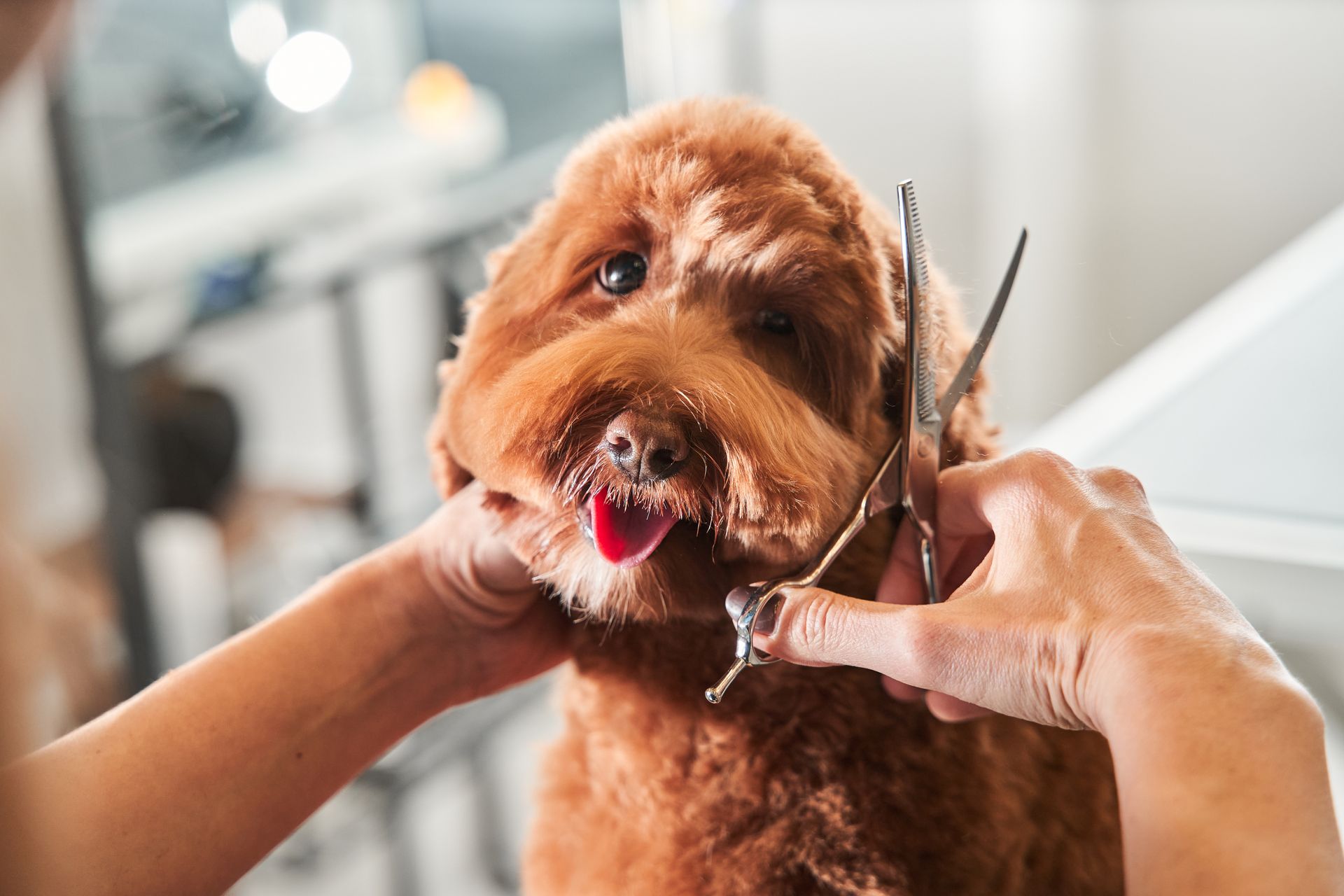
Get Started with a Grooming Schedule That Works for Your Dog
If you are ready to find a consistent grooming schedule for your dog,
Happy Paws Grooming may be a great place to start. Serving dogs of every breed and size, Happy Paws Grooming offers full dog grooming services, including bathing, de-shedding, nail trimming, ear cleaning, brush-outs, and haircuts. To ask questions or get started, visit the
contact page to schedule an appointment for your dog.

